
By Lionel Chan
The world we once knew experienced a seismic shift in 2010 when we were introduced to the first smartphone. Life was never quite the same again.
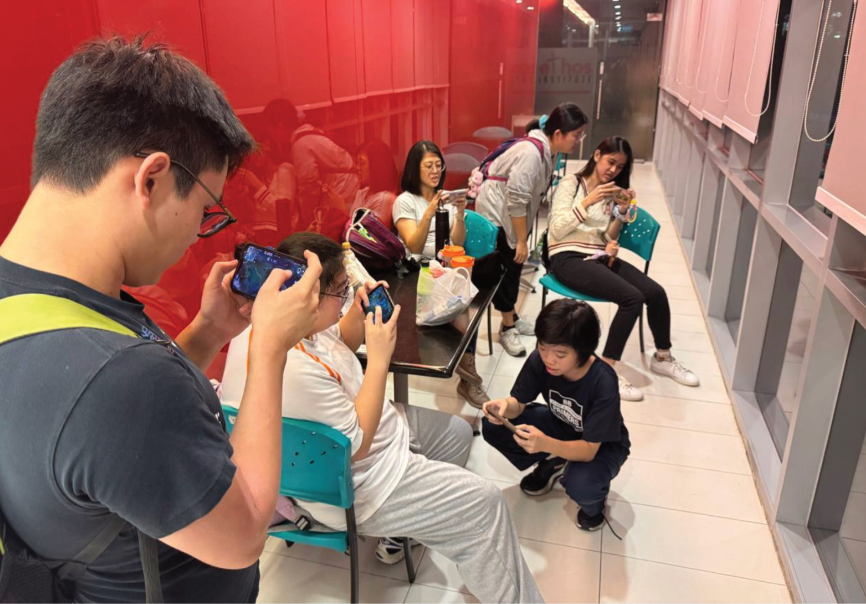
Smartphones have completely reshaped young people’s daily lives and changed the way they make friends, communicate and spend their leisure time. Four young people share the impact of mobile gaming and scrolling on them.
An Jie, 19, an ITE student, was addicted to gaming in primary five. Irene, a Higher NITEC student and Matthew, a polytechnic student, also started gaming in primary school. Hannah, a year two polytechnic student, started scrolling the day she got her first smartphone.
For Irene, she scrolls for “…Christian content, worship songs or sermons that remind [her] about God.” To Hannah, “not all ‘Christian’ content is godly” so she discerns what she watches.
Matthew reveals, “…gaming makes me lash out (in anger) a lot which affects how I treat people and my relationship with God.” An Jie admits that with too much gaming and scrolling, his attention span is very short, and he is easily irritable when it comes to reading the Word of God. He realises, “…when I face difficult situations, I turn to gaming and scrolling instead of God.”
While gaming and scrolling helps these youths to de-stress after a long day in school, they agree both habits cause them to procrastinate on schoolwork, be less able to stay focused and easily lose track of their hours on their phones. They are trying to cut down their time on their phones.
YouTube, TikTok and Instagram are a big part of young people’s daily online diet. They cannot spend a day without messaging and chatting with friends, playing games or consuming social media content. Social media and gaming are here to stay, with the good and bad. How do we leverage responsibly on the good for outreach?
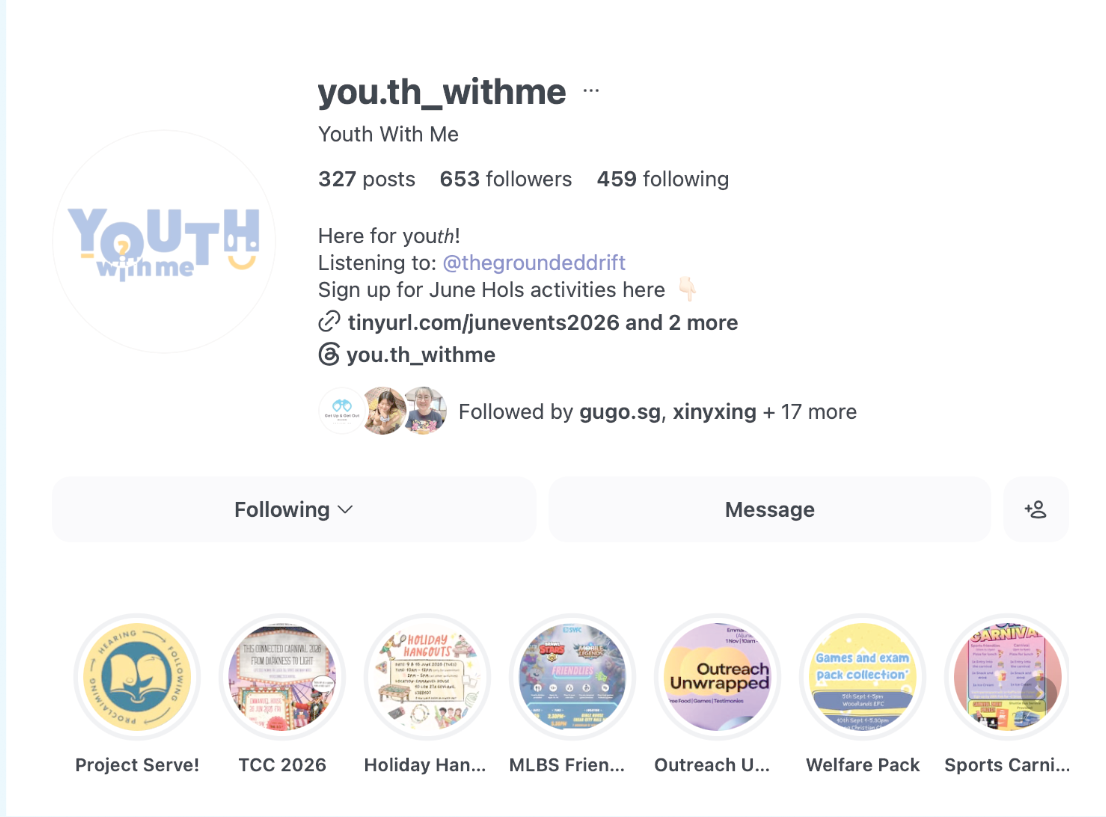
When Leon Loh, a Secondary School and Junior College Ministry (SJM) staff, was so concerned that the ministry’s social media engine was not ‘revved up’ enough, he started an Instagram page @you.th_withme to showcase SJM’s people and activities.
With a team of volunteers, he worked on ideating, video editing, designing reel cover, brainstorming captions and hashtags. He mobilized videographers and on-camera talents. He also tapped on project servants’ energy and fresh ideas to create Instagram Reels.
Doreen Low, an ITE Ministry staff, recounts that meeting students through online gaming started six years ago. “Initially, it was just once, then two to three times a month.” Especially during Covid lockdown, this was the space the ITE Ministry team hung out with students.
The team did not stop there. Recognising the limitations of just touching base online, they started Gamers Connectx, a series of face-to-face activities to get to know the online gamers personally.
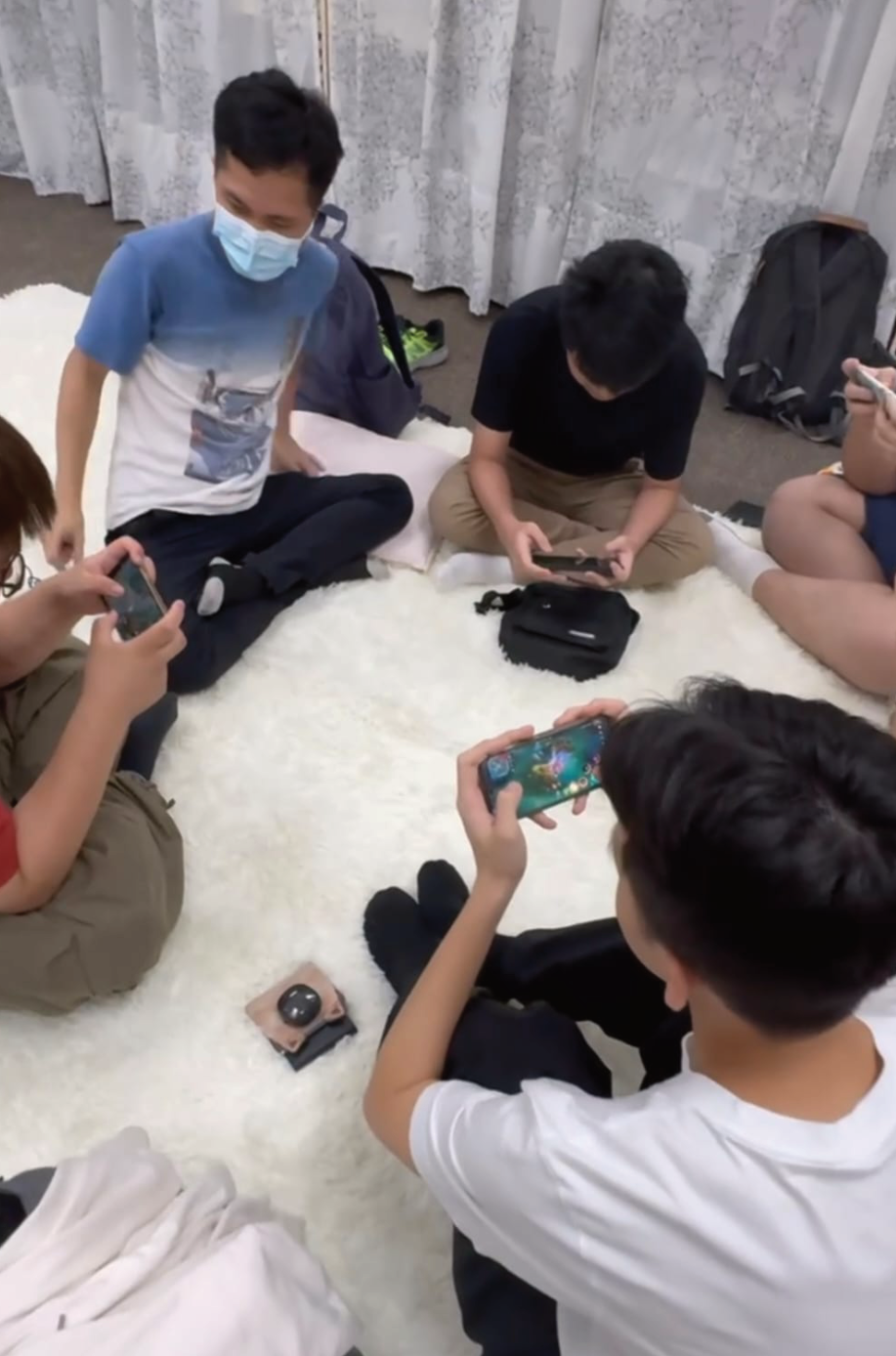
Presently, the team meets students virtually for casual gaming thrice a month. At each round from 8.00 pm to 10.00 pm strictly, gaming is clearly for connecting with one another and excessive gaming is discouraged. Gamers Connectx now comprise offline team-building and card games, with much lesser mobile and console games. Students are also invited to other in-person gatherings and casual sports. When necessary, certain staff would work through addiction triggers with a young person and a way to curb it.
The apostle Paul became “all things to all people” that by all means he might save some (1 Corinthians 9:22-23). Since youth spend so much of their social and personal life in online spaces, we must be ‘digital citizens’ actively engaging with them hoping for an opportunity to chat and share with them the best content for life – forgiveness and salvation in Jesus.
As we reach this generation with the gospel, being “geared to the times, anchored to The Rock” remains our true north. Pray for us to strengthen our digital outreach.